
The most telling part of a Lake Suites tour usually comes after the questions about office size and pricing. People start describing the little adjustments they have made to keep working from home.
A client call gets scheduled around when the house will be quiet. Meetings happen at three different places depending on the day. Business records now occupy part of another room. Someone hired an assistant, but both people rarely work together because the home setup makes that awkward.
None of these situations sounds serious on its own. That is why people can live with them for a long time.
The remote work vs office decision usually starts becoming relevant long before someone says, “I cannot work from home anymore.” More often, the business has gradually changed while the workspace stayed exactly the same.
Remote Work vs Office for a Growing Business
Working from home can remain useful even after a business begins using private office space. Many professionals do focused work at home and use an office for clients, team days, confidential conversations, or work that needs more room.
That makes productivity a poor test by itself. Someone can remain highly productive at home while spending increasing amounts of time working around the limitations of the space.
The more useful clues tend to show up in routines people have stopped questioning.
10 Signs You Need Office Space
1. Your Calendar Has Started Developing Strange Rules
Look at when you schedule important calls.
Maybe Tuesday mornings work because the house stays quiet. Client consultations happen before school lets out. Interviews get pushed to certain hours because another room becomes noisy later in the day.
Most people adapt to those restrictions without thinking much about them. After a while, the calendar starts reflecting the house rather than the business.
One scheduling compromise means very little. A calendar built around avoiding interruptions every week says something different about whether the current workspace still fits the work.
2. You Keep Solving the Same Problem in Different Places
One client meeting happens at a coffee shop. The next requires a rented conference room. Another takes place near the client because finding somewhere convenient feels easier than arranging something on your side.
Each solution works, which can hide the larger pattern.
If you regularly spend time deciding where conversations can happen, meeting space has become an operating need rather than an occasional inconvenience. The question shifts from whether you can find another room to whether repeatedly finding another room still makes sense.
That tends to become one of the less obvious signs you need office space.
3. One New Person Changed More Than You Expected
A solo business can make almost any workspace feel efficient. Hiring one person can expose limitations that never mattered before.
Suddenly, somebody needs training. Two calls overlap. Equipment needs another home. Quick questions that would take thirty seconds in person become messages, calls, or another scheduled meeting.
The employee may still work remotely most of the week. The issue has less to do with requiring a permanent desk and more to do with whether the business now needs somewhere both people can work together without improvising the setup each time.
4. Your Business Has Acquired More Square Footage Than You Realized
Business growth does not always announce itself through headcount. Sometimes it appears as objects.
Files move into another cabinet. Samples occupy a closet. Shipping materials sit near the garage. A printer takes over one corner while boxes slowly claim another.
Individually, none of those items seems large enough to justify renting space. Together, they may show that the company already has a physical footprint. The difference is that the business currently spreads that footprint across the home instead of accounting for it as workspace.
That changes how the cost of an office should be evaluated.
5. Certain Work Keeps Getting Pushed to a Better Time
Most people know when their best working hours happen. A different pattern deserves more attention.
Confidential calls wait until someone leaves the house. Recording a presentation gets postponed because the environment feels unpredictable. A difficult client conversation moves to another day because privacy cannot be guaranteed.
The work itself has not become harder. The conditions required to do the work have become harder to arrange.
For attorneys, consultants, financial professionals, recruiters, and other businesses handling sensitive conversations, that pattern can matter more than general complaints about distraction.
6. Your Temporary Fixes Have Become Monthly Expenses
A meeting room once every few months barely deserves a line in the budget. Neither does an occasional coworking day.
Then the pattern changes.
Meeting room rentals become regular. Printing happens elsewhere. Storage costs appear. Day offices get booked several times each month. Business owners may also pay for upgraded internet, mail solutions, or other services because the home office lacks something the business now uses regularly.
Anyone wondering when to rent an office should total those expenses before comparing rent. Sometimes the home setup remains substantially cheaper. Other times, the collection of workarounds has grown large enough to make the comparison much closer than expected.
7. You Have Started Designing Work Around What the Space Allows
This one tends to be harder to notice because nothing visibly goes wrong.
Maybe you avoid hiring locally because another person would create a space problem. You choose virtual meetings even when an in-person conversation would work better. Certain equipment never gets purchased because nowhere practical exists to put it.
The workspace has started influencing business decisions before those decisions get fully considered.
A small amount of compromise comes with every office arrangement, including a private office. Repeatedly eliminating options because the home cannot accommodate them deserves a closer look.
8. Your Team Does Not Need an Office Every Day, but Keeps Needing One
A small team may work extremely well from home for individual tasks and still struggle with certain parts of the week.
Onboarding takes longer over a string of video calls. Planning sessions turn into screen sharing marathons. A conversation that would take ten minutes in the same room gets spread across messages for half the afternoon.
This does not automatically support a five day office schedule.
One of the more useful private office space benefits for a hybrid team comes from having the same dependable place available when working together actually helps. At Lakeside Business Suites, private offices and meeting spaces can support that type of schedule without requiring every workday to look the same.
9. You Finally Have Enough History to Do the Math
Early in a business, office decisions involve a lot of guessing. Client volume changes, revenue moves around, and staffing plans remain uncertain.
After a few years, the business has evidence.
You can count how many clients visited during the past six months. You know how often team members need to work together. Workspace expenses can be pulled from actual statements rather than estimates. Revenue may also be predictable enough to judge whether another monthly expense fits comfortably.
That information provides a much better answer to when to rent an office than reaching a certain employee count or company age.
10. The Workaround Has Become So Normal That You No Longer Call It One
This may be the easiest sign to miss.
Driving somewhere else before every client meeting feels normal. Moving business equipment before guests come over feels normal. Waiting for a quieter hour to make certain calls feels normal because you have done it for years.
The question worth asking is what you would change if you were designing the business setup again today.
If you would immediately create a private place for calls, clients, equipment, or employees, the current arrangement may be surviving mostly because you have become very good at working around it.
Sometimes small changes in your workspace can make a big difference in how your day feels. If you’ve noticed any of these signs, explore why some workdays feel easier in the right Las Vegas office space and how your office environment can influence your daily routine.
Productivity Working From Home Can Hide the Real Problem
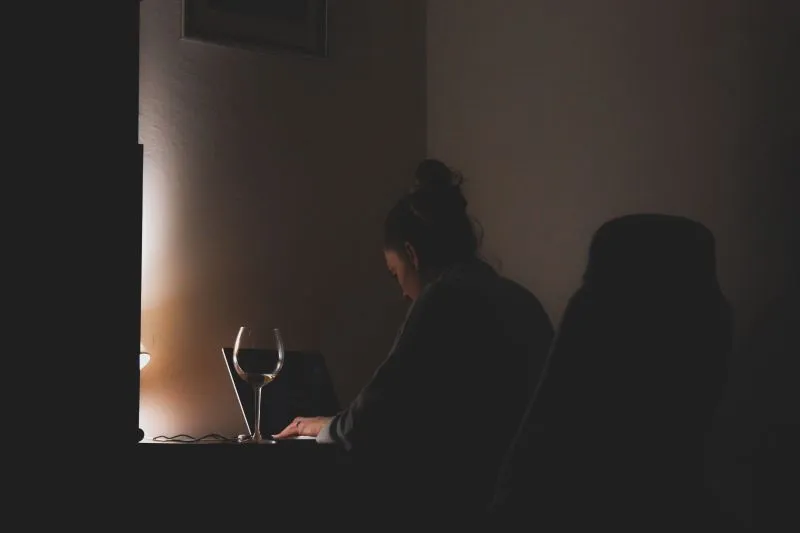
Productivity working from home often gets reduced to whether someone completes enough work during the day. That misses several costs business owners eventually start noticing.
A person may write proposals faster at home and still lose time arranging client meetings. Someone else may finish individual work efficiently but struggle whenever two employees need to collaborate. Productivity can remain strong while the surrounding operation becomes less convenient.
When comparing remote work vs office, separate the tasks. Decide where focused work happens best, where clients should meet, which conversations need privacy, and how often the team benefits from sharing a room. The same person may arrive at different answers for different parts of the week.
Remote Work vs Office FAQ
How much should a business earn before renting an office?
No specific revenue number works for every business. Look at stable monthly income, current workspace expenses, cash flow, and expected office use. The decision becomes easier once the business can estimate the value of the space from actual activity.
Is a private office worth it for one person?
A solo professional can get significant value from a private office when client meetings, confidential calls, equipment, records, or frequent workspace rentals have become part of normal operations. Someone who mainly needs a laptop and rarely meets clients may have less reason to rent one.
Should I rent an office before hiring my first employee?
Consider how the new employee will work before deciding. A fully remote role may need no office at all. Regular training, shared equipment, confidential work, or frequent in-person collaboration can make access to private space more useful.
How many days should a small team work from an office?
Start with the work rather than choosing a number first. Teams may use office days for onboarding, planning, client meetings, and collaborative projects while keeping individual work remote.
What costs should I compare besides monthly rent?
Include internet, utilities, furniture, cleaning, maintenance, parking, equipment, meeting rooms, deposits, and setup expenses. Serviced and flexible offices may include several of these costs within the monthly rate.
When the Home Office No Longer Fits the Same Business

Working from home does not need to become miserable before another workspace makes sense. In many cases, the home office still performs part of its original job extremely well.
What changes is everything around it.
Clients become more frequent, teams form, physical materials accumulate, and certain parts of the work begin requiring more privacy or coordination. Once those patterns repeat often enough, comparing private office space gives the business another option without requiring remote work to disappear.
Lakeside Business Suites offers private offices and flexible workspace for Las Vegas professionals reaching that stage. Schedule a tour and compare the space against the workarounds your business currently uses every week.